
1. Accurate Material Takeoffs
1.. Believe it or not, accurate Material Takeoffs Material takeoffs form the sort of foundation of any reliable construction estimate.. This process involves quantifying every single material required for a project, from the volume of concrete in the foundation to the exact count of drywall screws.. Estimators utilize advanced digital blueprints to measure lengths, areas, and volumes with high precision.. An accurate takeoff minimizes the risk of ordering excess materials, which inflates costs, or facing shortfalls that cause project delays.. By converting architectural drawings into a construction estimating services list of raw materials,. estimators ensure the procurement phase begins on solid, verifiable ground.
2. Comprehensive Labor Cost Analysis
2.. Comprehensive Labor Cost Analysis Calculating labor costs goes far basically beyond multiplying kind of hourly wages by the number of workers on site.. A thorough labor cost analysis factors in crew productivity rates, localized labor market conditions, union regulations, and payroll taxes.. Estimators must also account for specialized trade requirements and the complexity of the architectural design, weirdly enough which can slow down installation times.. By evaluating the historical performance of similar projects and analyzing current economic data, estimators forecast the pretty much exact man-hours needed.. This detailed breakdown prevents budget overruns and ensures which the human resource aspect of the project remains financially viable.
3. Conceptual and Preliminary Estimating
3.. sort of Conceptual and Preliminary Estimating Conceptual estimating occurs during the earliest stages. of a project — often when only basic sketches or ideas exist.. This to be fair service helps developers, investors, and honestly owners determine the financial feasibility of a project before committing significant capital to full architectural designs.. Believe it or not, estimators rely on historical data, square-foot cost. models, and regional market trends to kind of provide a realistic price range.. kind of Preliminary estimates act as a vital decision-making tool, allowing stakeholders to adjust the project scope, explore alternative design directions, or secure initial funding with a data-backed understanding of potential expenditures.
4. Detailed Bid Preparation and Submission
4.. Detailed Bid Preparation and Submission For contractors looking to win basically lucrative commercial or residential contracts, professional bid preparation is essential.. This service involves compiling all material, labor, equipment, and subcontractor costs into a highly competitive and compliant bid package.. Estimators carefully review the project specifications and addenda to ensure no hidden requirements are overlooked.. They also factor in strategic profit weirdly enough margins and overhead costs to keep the bid attractive yet profitable.. Let’s be honest, a well-structured bid package demonstrates professionalism to kind of project owners, significantly increasing the contractor’s chances of winning the project without sort of sacrificing their bottom line.
5. Value Engineering and Cost Optimization
5.. Value Engineering and Cost Optimization Value engineering is a systematic approach to optimizing the weirdly enough value of a sort of project by analyzing its functions.. Estimators collaborate with design teams to identify high-cost sort of areas and suggest alternative materials — methods, or systems which achieve the same performance, safety, and aesthetics at a lower cost.. This process is not about cutting corners; rather — it focuses on eliminating unnecessary expenses while maintaining structural integrity and design intent.. By implementing value engineering early in the estimating phase, clients can realize substantial savings and achieve a more sustainable, cost-effective build.
6. MEP (Mechanical, Electrical, and Plumbing) Estimating
6.. The funny thing is, mEP (Mechanical, Electrical, and Plumbing) Estimating MEP systems are among the most complex and expensive components of any modern building, often accounting for a major portion of the total budget.. Specialized MEP estimating requires a deep understanding of to be fair construction estimating services systems, including HVAC ductwork, electrical wiring, piping, and fire protection layouts.. Estimators analyze specialized schematic sort of diagrams to calculate raw material costs, specialized equipment rentals, and highly skilled trade labor.. Precise MEP estimates prevent costly design clashes during installation and ensure which these critical building systems are fully funded and compliant with local engineering codes.
7. Project Scheduling and Time-Impact Analysis
7.. Project Scheduling and Time-Impact Analysis Time is directly tied to basically money in the construction industry, making project scheduling a critical component of estimating services.. Believe it or not, estimators align cost sort of projections with a realistic project timeline,. basically identifying the critical path and key milestones from breaking ground to final handover.. To be real, they factor in external variables such as weather disruptions, supply chain lead times, and labor availability.. Actually, by integrating time-impact analysis into the estimate, contractors can forecast cash flow requirements, anticipate potential bottlenecks,. and establish accurate delay penalties or acceleration costs, keeping the project on schedule and within budget.
8. Subcontractor Bid Management and Review
8.. Subcontractor Bid Management and Review On large-scale projects, prime contractors rely heavily on specialized subcontractors for trades like roofing, masonry, or flooring.. You know, subcontractor bid basically management involves soliciting quotes, verifying the scopes of work, and analyzing incoming proposals for hidden gaps or overlapping costs.. Estimators conduct thorough leveling processes to compare different subcontractor bids on an apples-to-apples basis.. This ensures that the selected tradespeople offer the best value, possess the necessary qualifications, and fully understand their contractual obligations, thereby protecting the main contractor from unexpected scope gaps.
9. Risk Assessment and Contingency Planning
9.. Believe it or not, risk Assessment and Contingency Planning Every construction project carries. inherent risks, ranging from market volatility and fluctuating material prices to unforeseen site conditions.. Professional estimators perform rigorous risk assessments to identify these variables before construction begins.. Based on the project’s complexity and location, they calculate a statistically sound contingency fund—typically a percentage of the total budget—to absorb unexpected costs.. Rather than guessing, estimators use predictive modeling and historical risk data to ensure the contingency is justified, basically protecting both the client and the honestly contractor from financial distress during unforeseen events.
10. Software-Driven Estimates and Digital Integration
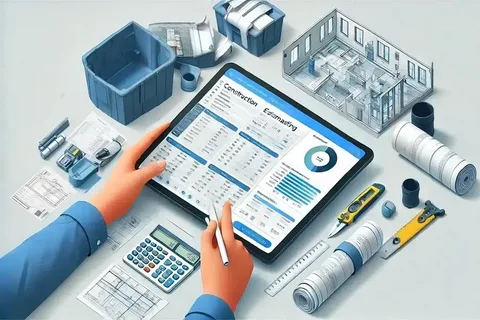
10.. Software-Driven Estimates and Digital Integration kind of Modern construction estimating relies heavily on cutting-edge software solutions like Planswift, Bluebeam, and RSMeans data.. Digital integration allows estimators to perform 3D takeoff adjustments, pull real-time. localized material pricing, and update estimates instantly when design revisions occur.. This technology reduces human error, accelerates the estimating turnaround time, and pretty much produces highly detailed visual reports for clients.. By leveraging advanced digital platforms, estimating services provide a level of transparency, speed, and accuracy. that sort of traditional paper-based methods simply cannot match, giving clients total confidence in their project data.