Wildfire-Resistant Construction: Estimating Concrete for Homes in California’s High-Risk Zones
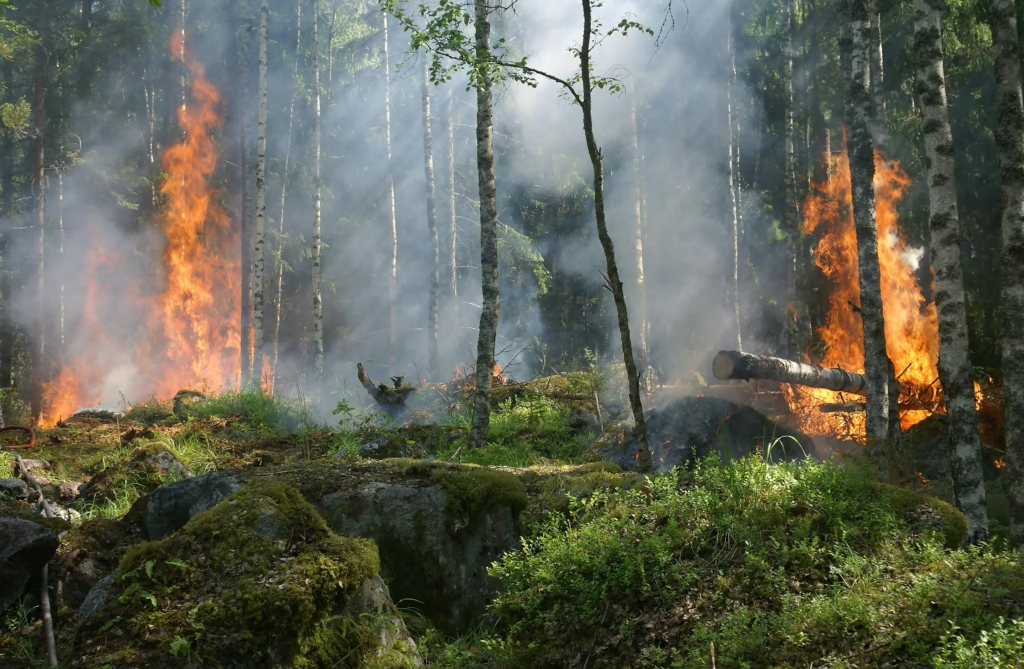
California’s wildfire crisis has reshaped the way homes are designed and built. With millions of acres burned annually and thousands of structures lost, homeowners and contractors in Very High Fire Hazard Severity Zones (VHFHSZ) face unique challenges. Concrete has emerged as one of the most effective materials for wildfire-resistant construction. Unlike wood or other combustible […]
Green Building in California: Estimating Concrete for LEED and Net-Zero Projects
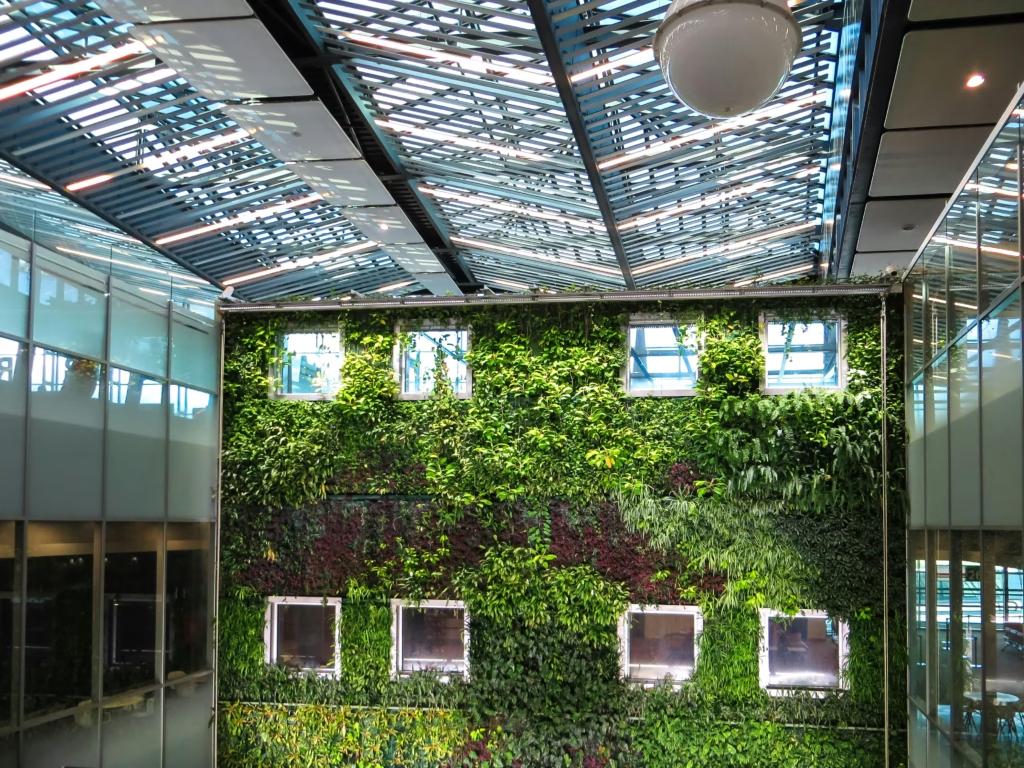
California has positioned itself as a global leader in sustainable construction. With ambitious climate policies, strict building codes, and widespread adoption of LEED (Leadership in Energy and Environmental Design) and Net-Zero standards, contractors and estimators face new challenges. Concrete, while essential for structural integrity, is also one of the largest contributors to embodied carbon in […]
How to Estimate Concrete for Custom Homes in Los Angeles and San Diego

Southern California is synonymous with luxury living and architectural innovation. Custom homes in Los Angeles and San Diego often feature sprawling layouts, hillside foundations, decorative driveways, and outdoor living spaces designed to maximize the region’s climate. These projects are not only structurally complex but also aesthetically demanding, requiring contractors to balance engineering precision with architectural […]
Estimating Concrete for California Bridge and Highway Projects: Caltrans Standards Explained
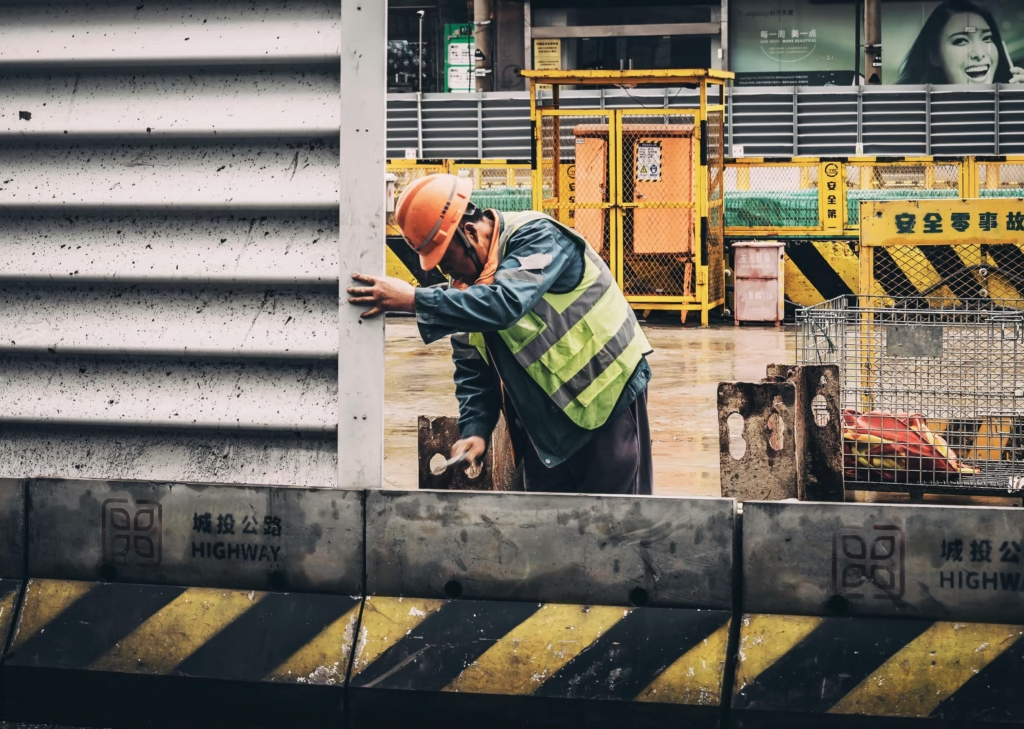
California’s transportation network is one of the busiest and most complex in the United States. From the Golden Gate Bridge to the I-5 freeway, concrete is the backbone of the state’s infrastructure. Every bridge deck, retaining wall, and highway pavement must meet Caltrans (California Department of Transportation) standards to ensure safety, durability, and compliance with […]
Top 5 Mistakes Arizona Contractors Make in Concrete Estimating And How to Avoid Them

Concrete estimating is a critical skill for contractors working in Arizona’s diverse construction landscape. From luxury homes in Paradise Valley to infrastructure projects in Phoenix and Tucson, accurate concrete estimates can make or break a project’s profitability. Yet, many contractors fall into common traps underestimating climate impacts, overlooking soil conditions, or skipping key finish details. […]
Estimating Concrete for Infrastructure Projects in Arizona: DOT Standards Explained
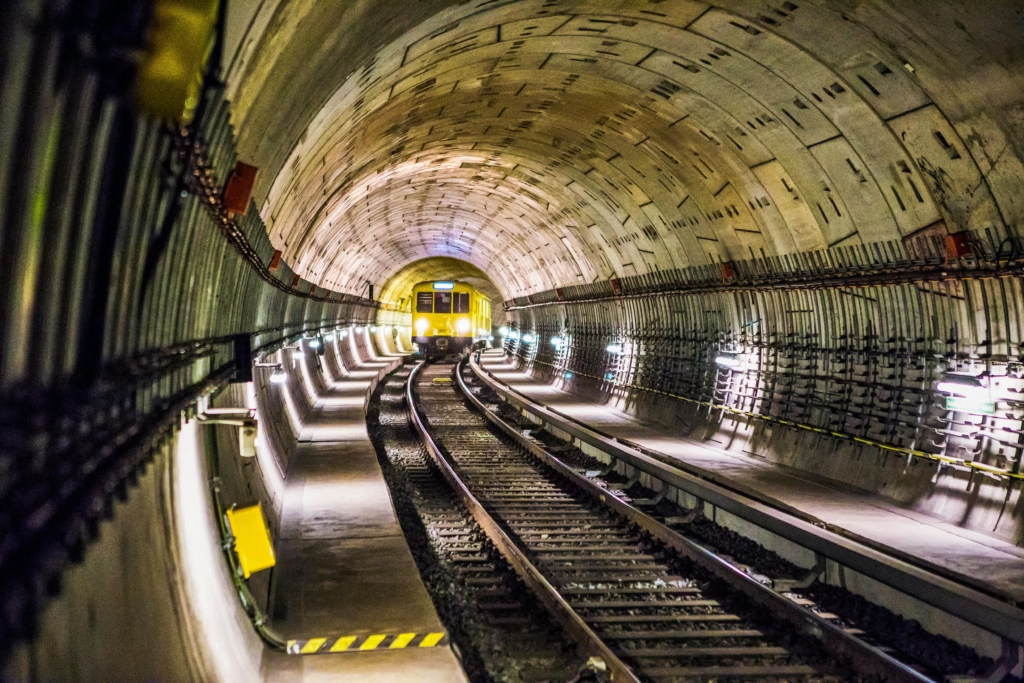
Infrastructure projects in Arizona including highways, bridges, culverts, retaining walls, and transit facilities are governed by the Arizona Department of Transportation (ADOT). These projects require strict compliance with ADOT’s Standard Specifications for Road and Bridge Construction, which outline everything from concrete mix design and testing protocols to curing methods and documentation standards. Estimating concrete for these […]
How to Estimate Concrete for Custom Homes in Scottsdale and Paradise Valley
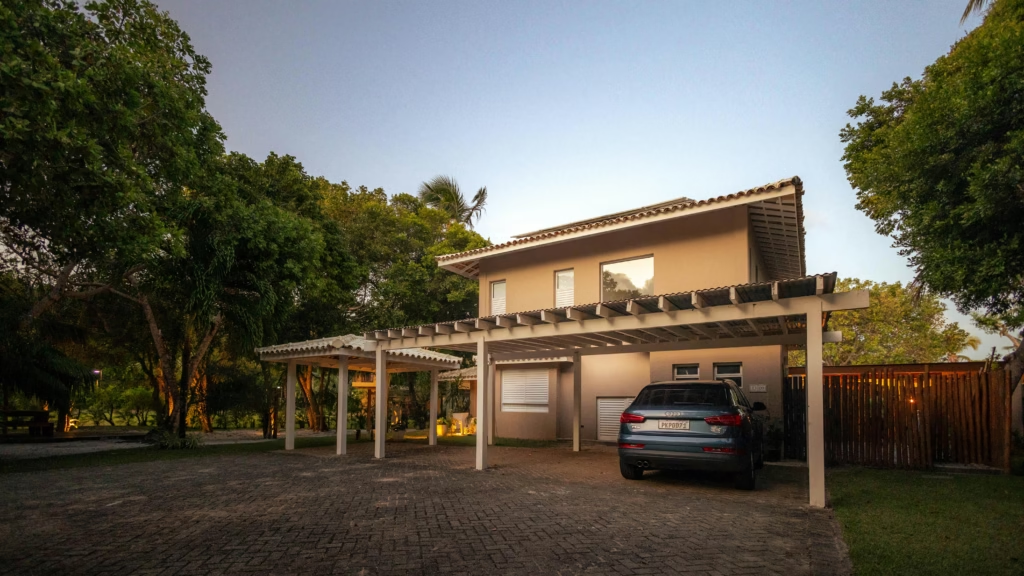
Scottsdale and Paradise Valley are two of Arizona’s most prestigious residential markets, known for sprawling estates, architectural innovation, and high-end finishes. Custom homes in these areas often feature expansive layouts, multi-level foundations, decorative concrete elements, and outdoor living spaces designed to blend seamlessly with the desert landscape. Estimating concrete for these homes requires more than […]
Desert-Friendly Concrete Finishes: What to Include in Your Estimate
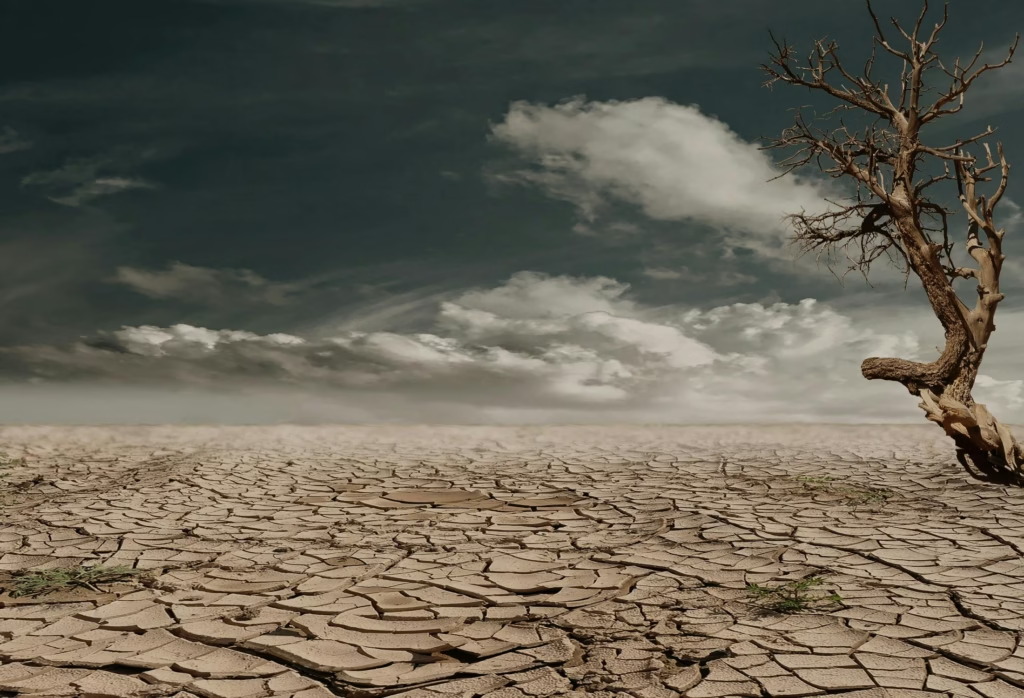
Concrete is one of the most durable and versatile materials in construction but in desert climates like Arizona, Nevada, and parts of California, it faces extreme environmental stress. High temperatures, intense UV radiation, low humidity, and sand abrasion can all degrade concrete surfaces if not properly finished and protected. That’s why choosing the right concrete finish and […]
Estimating Concrete for Tilt-Up Construction in Phoenix and Tucson
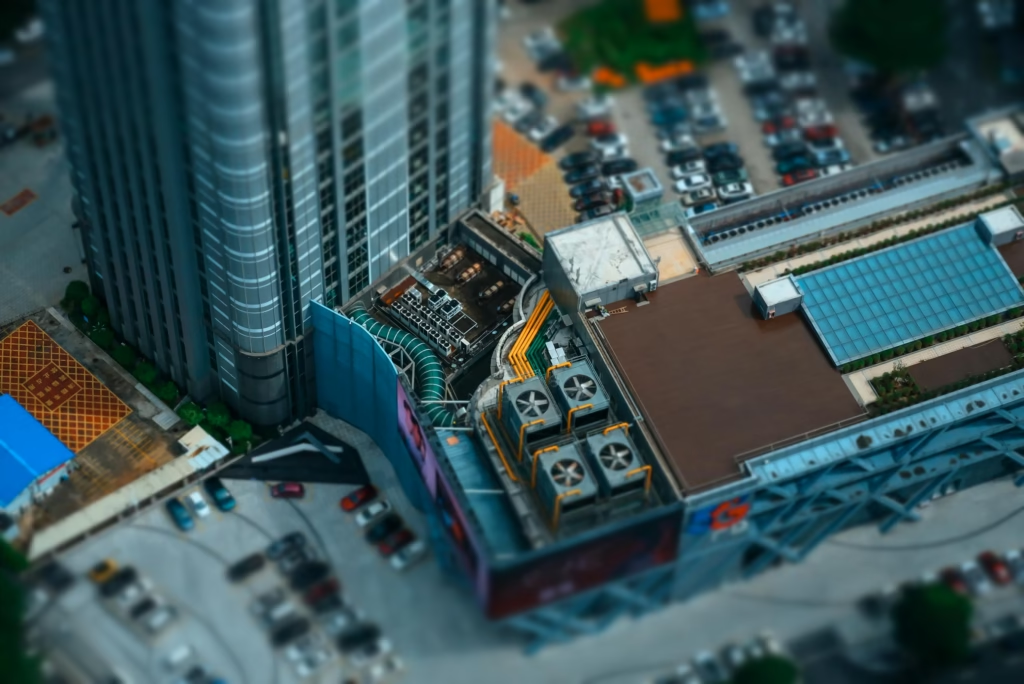
Tilt-up construction has become a cornerstone of commercial and industrial development across Arizona particularly in Phoenix and Tucson. Known for its speed, cost-efficiency, and structural integrity, tilt-up involves casting large concrete panels horizontally on-site and lifting them into place using cranes. It’s a method that thrives in Arizona’s dry climate and wide-open job sites, making […]
How Arizona’s Climate Affects Concrete Mix Design and Estimating
Arizona’s climate is as challenging as it is iconic. With summer temperatures regularly soaring above 110°F, low humidity, intense UV exposure, and a dramatic monsoon season, concrete construction in the Grand Canyon State demands a specialized approach. These environmental factors don’t just affect how concrete is placed they influence everything from mix design and curing methods to […]