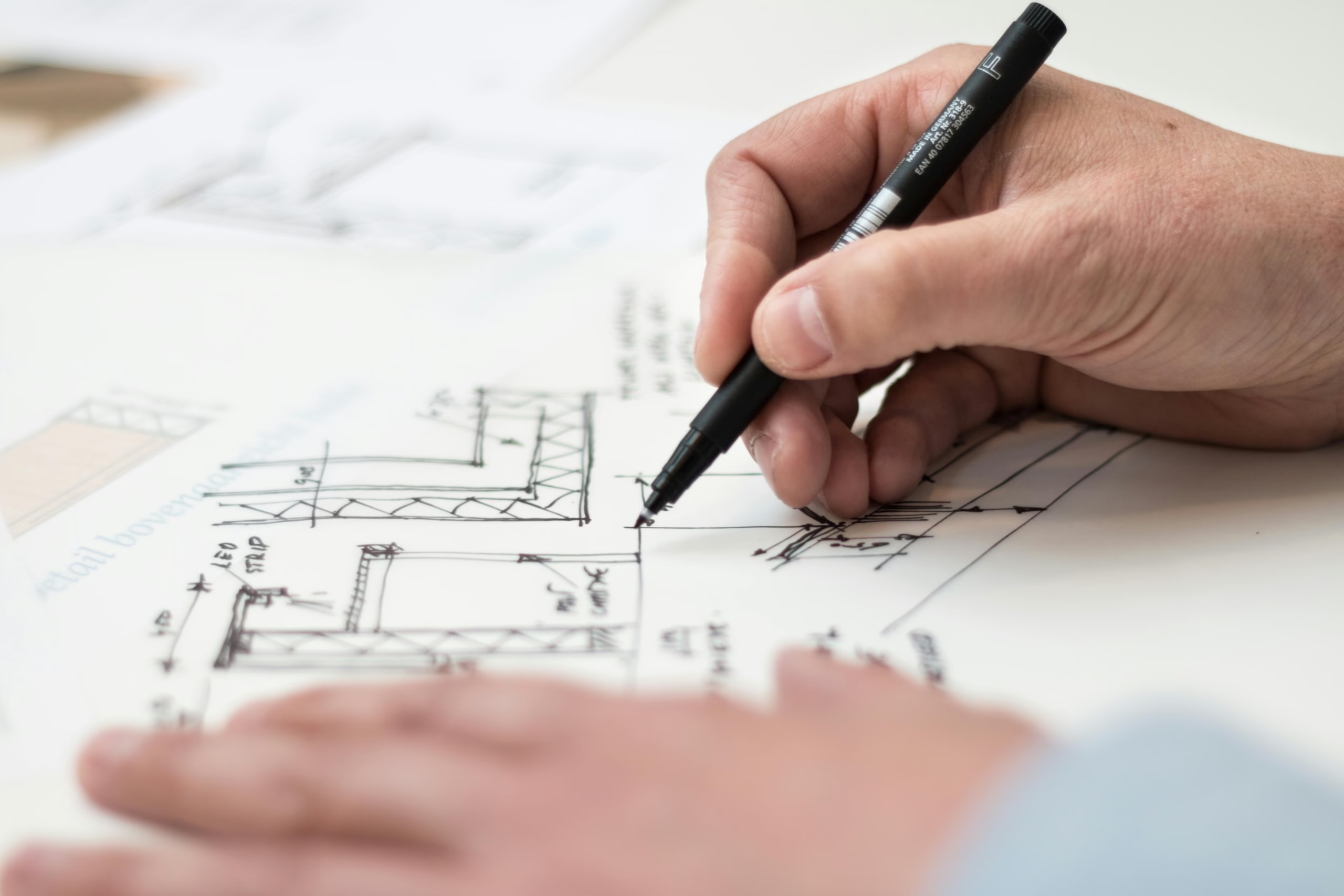
Blueprints are the language of construction and if you’re an estimator in Texas, fluency is non-negotiable. Whether you’re bidding on a school in San Antonio or a retail center in Dallas, your ability to interpret plans directly affects your takeoff accuracy, bid competitiveness, and project profitability.
Takeoffs are the foundation of estimating. They quantify materials, labor, and equipment based on the drawings. But if you misread a symbol, overlook a note, or skip a detail, your numbers can be off and that can cost you the job or your margin.
This guide breaks down how to read blueprints effectively and includes a table of key drawing types and symbols every estimator should know.
Why Blueprint Literacy Matters in Estimating
- Ensures scope accuracy and prevents omissions
- Improves coordination with architects and engineers
- Speeds up digital takeoffs using tools like Bluebeam or STACK
- Helps identify scope gaps, alternates, and value engineering options
- Reduces RFIs and change orders during construction
Blueprint Components Estimators Must Understand
| Component | What It Shows | Estimating Relevance |
| Title Block | Project name, drawing number, scale | Confirms drawing set and version |
| Legend | Symbols and abbreviations used | Decodes fixtures, materials, and systems |
| Floor Plans | Layout of rooms, walls, doors, windows | Basis for material quantities and layout |
| Elevations | Vertical views of building faces | Helps estimate finishes, façade, and height |
| Sections | Cut-through views of building elements | Reveals hidden details like wall assemblies |
| Schedules | Lists of doors, windows, finishes | Provides counts and specs for takeoffs |
| Details | Zoomed-in views of specific components | Clarifies installation and material scope |
| MEP Drawings | Mechanical, electrical, plumbing plans | Critical for trade-specific estimating |
| Site Plans | Grading, utilities, landscaping | Used for civil and sitework estimating |
| Notes & Revisions | Instructions and changes | May affect scope, pricing, or compliance |
Tips for Accurate Takeoffs from Blueprints
| Tip | Why It Helps |
| Always check the scale | Prevents quantity errors when measuring dimensions |
| Use the legend consistently | Avoids misinterpretation of symbols and abbreviations |
| Highlight scope boundaries | Clarifies what’s included vs. excluded in your estimate |
| Cross-reference schedules | Ensures counts match between drawings and spec sheets |
| Look for elevation changes | Affects framing, finishes, and labor productivity |
| Use digital tools for measurement | Improves speed and accuracy with auto-calculation features |
| Note revision clouds and dates | Ensures you’re estimating from the latest set |
| Mark up drawings as you go | Creates a visual record of your takeoff decisions |
Tools That Help Read Blueprints
- Bluebeam Revu Digital markup and measurement
- STACK Estimating Cloud-based takeoffs and quantity tracking
- PlanSwift On-screen takeoff and estimating integration
- AutoCAD Viewer For reviewing DWG files
- Revit + Navisworks For BIM coordination and 3D takeoffs
Final Thoughts
Blueprints are more than lines and symbols they’re the roadmap to every successful estimate. Texas contractors who master blueprint reading can produce faster, more accurate takeoffs and win more work. Whether you’re pricing drywall, HVAC, or sitework, your ability to interpret drawings is your competitive edge.
At MSB Estimating, we specialize in blueprint-based takeoffs for Texas projects. Our team uses CSI formatting and digital tools to deliver precise, professional estimates that help you bid smarter and build better.
Need Help With Blueprint Takeoffs?
Contact MSB Estimating today to streamline your estimating process and ensure your numbers are right from the start.