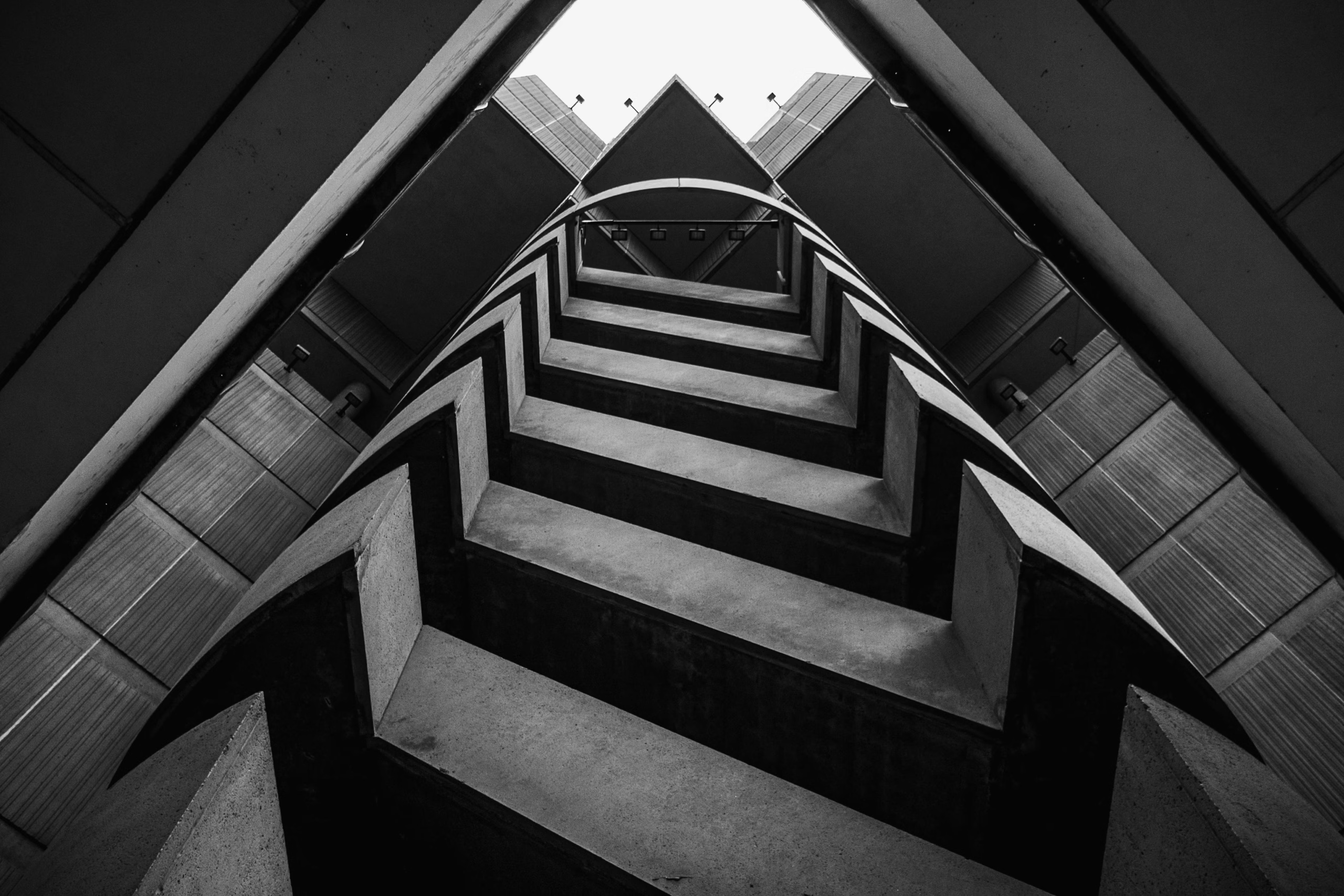
Concrete is one of the most versatile materials in construction but when it comes to complex formwork and architectural features, estimating becomes a whole different challenge. Curved walls, cantilevers, textured finishes, and non-standard geometries require more than just volume calculations. They demand precision, creativity, and a deep understanding of labor, materials, and sequencing.
Whether you’re bidding on a sculptural façade, a spiral staircase, or a multi-level podium deck with exposed concrete finishes, this guide will help you estimate accurately and competitively. We’ll break down the key factors, provide a comparison table, and share practical tips to help you navigate the complexities of architectural concrete.
Estimating Factors for Complex Formwork and Architectural Features
| Estimating Factor | Why It Matters for Complex Concrete Work | How to Account for It in Your Estimate |
|---|---|---|
| Formwork Geometry | Curves, angles, and non-standard shapes increase labor and material needs | Use 3D drawings and calculate surface area for custom formwork |
| Formwork Type | Specialty forms (e.g., fiberglass, steel, CNC-cut plywood) cost more than standard wood | Include supplier quotes and rental costs for specialty systems |
| Surface Finish Requirements | Exposed concrete, board-formed, or polished finishes require extra care | Add labor time for finishing, mockups, and protection measures |
| Repetition vs. One-Offs | Repetitive forms reduce cost; unique features increase setup time | Identify reusable forms vs. custom one-time setups |
| Access and Pour Strategy | Complex shapes may require staged pours, scaffolding, or pump access | Include labor for staging, equipment rental, and pour sequencing |
| Tolerance and Detailing | Architectural concrete demands tight tolerances and clean lines | Add time for layout, inspection, and rework contingency |
| Mockups and Samples | Required for high-end finishes or public-facing elements | Include cost for mockup construction and approval process |
| Coordination with Trades | Embedded items (lighting, anchors) require early coordination | Add time for layout meetings and clash detection |
| Curing and Protection | Decorative concrete needs controlled curing and surface protection | Include curing compounds, coverings, and extended labor |
Sources: ACI 347 Guide to Formwork for Concrete, Concrete Construction Magazine
Estimating Tips for Complex Formwork Projects
1. Use 3D Models and Surface Area Calculations
Complex formwork often involves curved or angled surfaces that aren’t easily measured from 2D drawings. Use 3D models or BIM tools to calculate surface area and formwork volume accurately.
2. Identify Formwork Type and Reusability
Determine whether the formwork will be:
- Standard plywood (reusable)
- CNC-cut or custom molds (single-use)
- Steel or fiberglass (rental or purchase)
Include setup time, material costs, and potential reuse across pours.
3. Account for Surface Finish Requirements
Architectural concrete often requires:
- Board-formed textures
- Exposed aggregate
- Polished or burnished finishes
These finishes demand skilled labor, mockups, and protection during construction. Include extra labor hours and finishing materials.
4. Plan for Pour Strategy and Access
Complex shapes may require:
- Multiple pours
- Pump access or crane lifts
- Scaffolding or suspended platforms
Estimate for equipment rental, staging labor, and sequencing.
5. Include Mockups and Approval Process
High-end architectural features often require mockups for client approval. Include:
- Labor and materials for mockup construction
- Time for review and potential revisions
- Coordination with architects and owners
6. Coordinate with Other Trades
Architectural concrete may include embedded lighting, anchors, or sleeves. Coordinate early with MEP and structural trades to avoid rework and delays.
7. Add Contingency for Tolerances and Rework
Architectural concrete demands tight tolerances and clean lines. Include contingency for:
- Layout verification
- Formwork adjustments
- Surface patching or refinishing
Complex Concrete Estimating Checklist
- Review 3D drawings and calculate surface area for formwork
- Identify formwork type (standard, custom, rental) and reusability
- Include labor and materials for surface finishes and protection
- Plan pour strategy and access logistics
- Estimate for mockups and client approval process
- Coordinate with other trades for embedded items
- Include curing compounds and surface protection measures
- Add contingency for layout, inspection, and rework
- Format estimate using CSI Division 03 standards
- Document assumptions and exclusions clearly
Real-World Example: Estimating a Sculptural Concrete Façade
A contractor bidding on a civic building with curved concrete panels:
- Used BIM to calculate surface area and formwork volume
- Specified CNC-cut plywood forms and included supplier quotes
- Added labor for board-formed texture and surface protection
- Planned for staged pours with pump access and scaffolding
- Included mockup costs and time for architect review
- Coordinated with lighting and anchor trades for embedded items
- Submitted a CSI-formatted estimate with full scope coverage
- Won the bid and delivered the project with zero change orders
Why Accurate Estimating Matters for Architectural Concrete
| Outcome | Benefit to Contractors |
|---|---|
| Fewer Change Orders | Complete scope coverage reduces surprises during construction |
| Improved Profit Margins | Accurate labor and material forecasting prevents overruns |
| Stronger Client Relationships | Professional estimates build trust with architects and owners |
| Better Scheduling | Phased planning and pour strategy improve delivery timelines |
| More Competitive Bids | Tailored estimates win more work in high-end concrete projects |
Final Thoughts
Estimating concrete for complex formwork and architectural features requires more than technical skill it demands creativity, precision, and collaboration. By accounting for geometry, finishes, coordination, and sequencing, contractors can produce smarter bids, reduce risk, and deliver stunning results.
At MSB Estimating, we specialize in architectural concrete estimating from sculptural façades and podium decks to exposed staircases and textured walls. Our team delivers CSI-formatted takeoffs, surface area calculations, and finish-specific labor forecasting to help you win more work and build with confidence.
Need Help With Complex Concrete Estimating?
Contact MSB Estimating today to streamline your bids for architectural concrete projects.