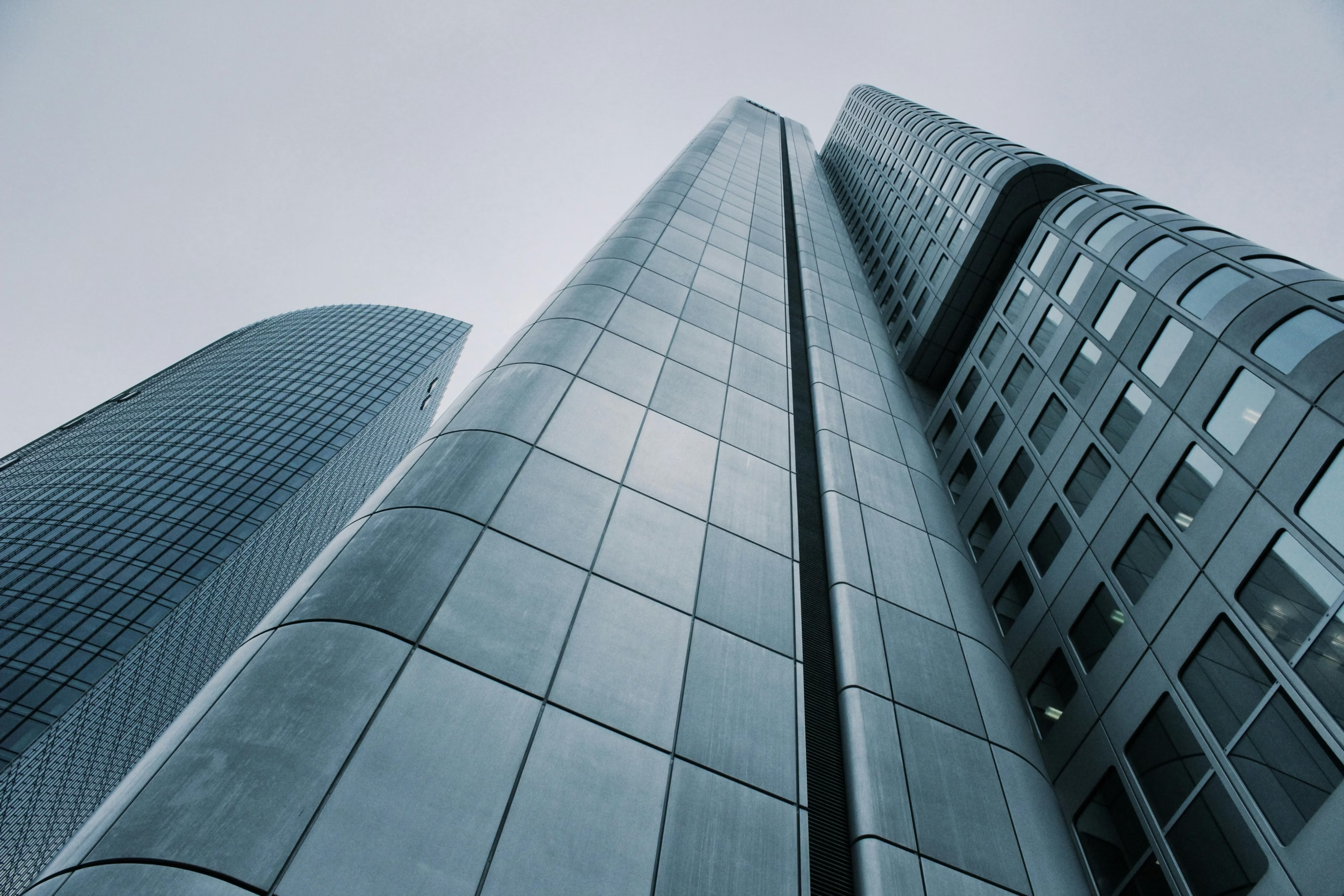
High-rise construction in California’s urban centers is a feat of engineering and logistics. San Francisco and Los Angeles are home to some of the tallest and most complex structures on the West Coast. From luxury residential towers overlooking the Bay to commercial skyscrapers in downtown LA, these projects demand precision concrete estimating that accounts for seismic safety, architectural finishes, and dense urban site conditions.
Concrete is the backbone of high-rise construction forming foundations, structural cores, slabs, and exterior elements. But estimating concrete for these projects is not just about volume. Contractors must navigate California Building Code seismic requirements, city permitting processes, labor costs, and site-specific challenges such as limited staging areas and traffic congestion.
This guide provides a step-by-step framework for estimating concrete in high-rise projects, compares San Francisco and Los Angeles conditions, and highlights best practices for delivering competitive, compliant bids.
Concrete Estimating Factors for High-Rise Projects in San Francisco vs. Los Angeles
| Estimating Factor | San Francisco | Los Angeles |
|---|---|---|
| Seismic Requirements | Extremely strict; deep foundations and shear walls | Strict codes; reinforced cores and moment frames |
| Foundation Type | Mat foundations, drilled piers for soft Bay soils | Spread footings, mat slabs for stable inland soils |
| Structural Concrete | Shear walls, post-tensioned slabs, reinforced cores | Post-tensioned slabs, reinforced cores, transfer beams |
| Architectural Concrete | Exposed finishes, polished lobbies, decorative plazas | Decorative driveways, polished floors, outdoor terraces |
| Site Logistics | Tight downtown sites, limited staging areas | Larger sites but traffic congestion and crane access |
| Climate Considerations | Cool, foggy weather; slower curing | Hot summers; rapid set times, need for retarders |
| Labor Costs | Among the highest in the U.S. | High but slightly lower than San Francisco |
| Client Expectations | Premium finishes, LEED certification | Fast schedules, luxury amenities, seismic resilience |
Step-by-Step Estimating Process
Step 1: Review Structural and Architectural Plans
Identify:
- Foundation type (mat slab, drilled piers, spread footings)
- Structural system (shear walls, reinforced cores, post-tensioned slabs)
- Architectural concrete elements (lobbies, plazas, decorative driveways)
Step 2: Calculate Concrete Volume
Break down by component:
- Foundations and basements
- Structural cores and shear walls
- Floor slabs (reinforced or post-tensioned)
- Exterior hardscapes and decorative elements
Include a 5–10% waste factor for overpour, formwork loss, and site irregularities.
Step 3: Account for Reinforcement and Formwork
High-rise projects require:
- Heavy reinforcement for seismic compliance
- Complex formwork for cores, shear walls, and transfer beams
- Architectural finishes requiring mockups and specialized labor
Step 4: Include Climate-Specific Curing
- San Francisco: Cool, foggy weather slows curing; include extended curing labor and monitoring.
- Los Angeles: Hot summers accelerate set times; include retarders, curing compounds, and early morning pours.
Step 5: Plan for Site Logistics
Urban sites demand careful planning:
- San Francisco: Tight downtown sites with limited staging areas; add costs for crane access, staged pours, and traffic control.
- Los Angeles: Larger sites but heavy traffic congestion; include mobilization, pump access, and coordination with city permits.
Step 6: Add Compliance and Documentation Costs
Include labor for:
- LEED certification submittals
- Seismic compliance documentation
- City inspection coordination and permitting
High-Rise Estimating Checklist
- Review structural and architectural drawings thoroughly
- Calculate volume by component and floor level
- Include seismic reinforcement and formwork complexity
- Specify mix design and curing methods for climate conditions
- Add decorative finish materials and mockup labor
- Plan for site access, staging, and scheduling constraints
- Include compliance labor for LEED and seismic documentation
- Format estimate using CSI Division 03 standards
- Build contingency for weather, traffic, and inspection delays
Real-World Example: Estimating a 40-Story Tower in San Francisco
A contractor bidding on a downtown high-rise:
- Reviewed plans with mat foundation and reinforced concrete core
- Calculated 18,000 CY of concrete across 40 floors
- Included seismic reinforcement and shear wall formwork
- Added curing allowances for cool, foggy weather
- Planned for crane access and staged pours in tight site conditions
- Submitted a CSI-formatted estimate with LEED documentation
- Won the bid and delivered the project with zero compliance issues
Why Accurate Estimating Matters
| Outcome | Benefit to Contractors |
|---|---|
| Fewer Change Orders | Complete scope coverage reduces surprises during construction |
| Improved Profit Margins | Accurate forecasting prevents overruns and delays |
| Stronger Client Relationships | Professional estimates build trust with owners and architects |
| Better Scheduling | Phased planning improves labor and equipment allocation |
| More Competitive Bids | Tailored estimates win more work in California’s urban markets |
| Enhanced Reputation | Delivering high-end results builds referrals and repeat business |
Final Thoughts
Estimating concrete for high-rise construction in San Francisco and Los Angeles requires technical precision, seismic awareness, and logistical planning. By accounting for structural systems, climate impacts, and city-specific challenges, contractors can deliver bids that are accurate, competitive, and compliant with California’s demanding standards.
At MSB Estimating, we specialize in high-rise concrete estimating for California’s urban markets. From seismic cores in San Francisco to luxury towers in Los Angeles, we provide CSI-formatted takeoffs and compliance-ready estimates tailored to your project.
Need Help Estimating for High-Rise Projects?
Contact MSB Estimating today to get accurate, seismic-compliant concrete estimates for your next California high-rise.